





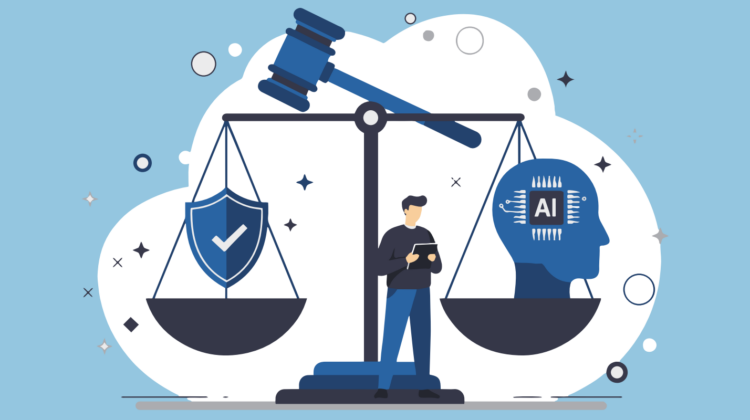
Artificial intelligence is no longer confined to legal research or first-draft documents. It is beginning to touch nearly every stage of litigation—and lawyers may encounter AI-generated work even if they have chosen not to use the technology themselves.
A new AI Guide for Litigators from the Thomson Reuters Institute and the International Legal Technology Association aims to help litigators navigate that changing environment.
The guide examines how AI can support litigation from early case assessment and discovery through trial and post-trial work. It outlines appropriate applications of the technology while addressing its limitations, professional responsibilities and the continuing need for human supervision.
According to Thomson Reuters, AI can help legal teams organize case materials, surface useful information and analysis, and inform strategic decision-making. The technology is also affecting interactions beyond the firm, including work exchanged with clients, opposing counsel and courts.
That makes AI literacy increasingly relevant even for lawyers who are reluctant to adopt the tools. Litigators may still need to assess AI-assisted submissions, evidence or analysis produced by other parties.
The guide translates the technology into familiar litigation concepts rather than treating AI as a purely technical subject. It includes examples across the litigation workflow, guidance on risk management and best practices for introducing AI into legal work.
“As a former litigator now working in legal innovation and technology, I’ve watched AI conversations stall the moment jargon enters the room,” said co-author Brendan W. Miller, a legal innovation and practice transformation advisor and former AmLaw 100 partner.
Miller said effective change management depends on the ability of practitioners and technologists to understand one another.
While much of the guide focuses on current applications, it also considers how AI could move closer to litigation decision-making. Potential future uses include assisting with evidence authentication and jury selection, powering forms of AI-driven arbitration and even contributing to judicial decision-making.
Those possibilities underscore the guide’s emphasis on professional judgment. AI may help lawyers work through large amounts of information and begin an analysis, but Thomson Reuters cautions that legal insight, verification and supervision remain essential.
The publication also addresses the ethical and risk considerations unique to litigation, including deciding which tasks are appropriate to delegate to an AI system and determining how its output should be reviewed.
The guide is the second instalment in an AI series produced by Thomson Reuters Institute and ILTA. It follows the organizations’ June publication, AI Guide for Legal Professionals: A Foundational Overview, which introduced core AI technologies, use cases and professional responsibilities across the broader legal sector.
Additional guides are expected in the coming months.
The AI Guide for Litigators is available online through Thomson Reuters Institute.